“Beside the Loneliest Road”
Rusted pipelines evoke aging arteries,
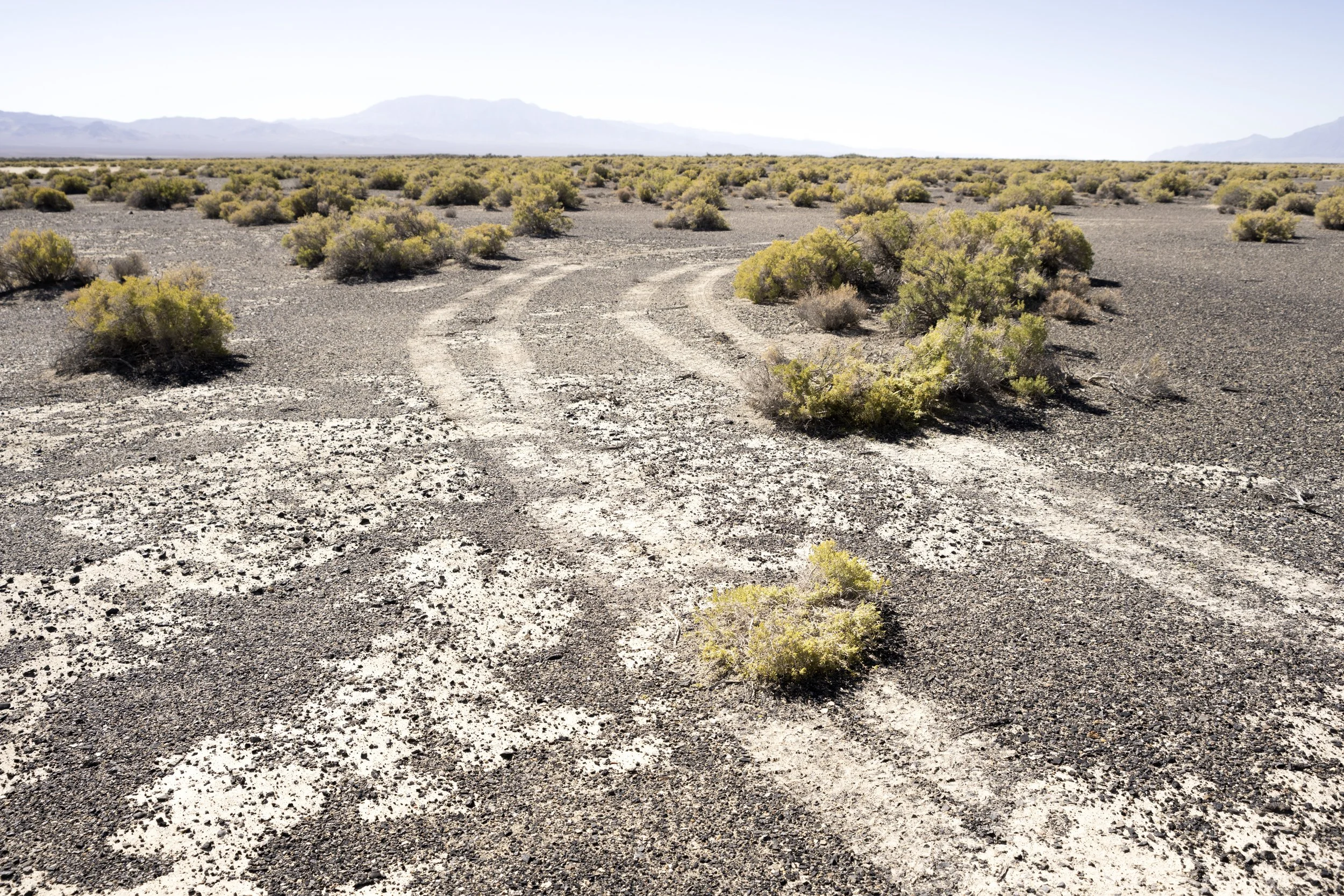
lonely roads suggest bereft homes,
barbed-wire fences resemble distant conversation.
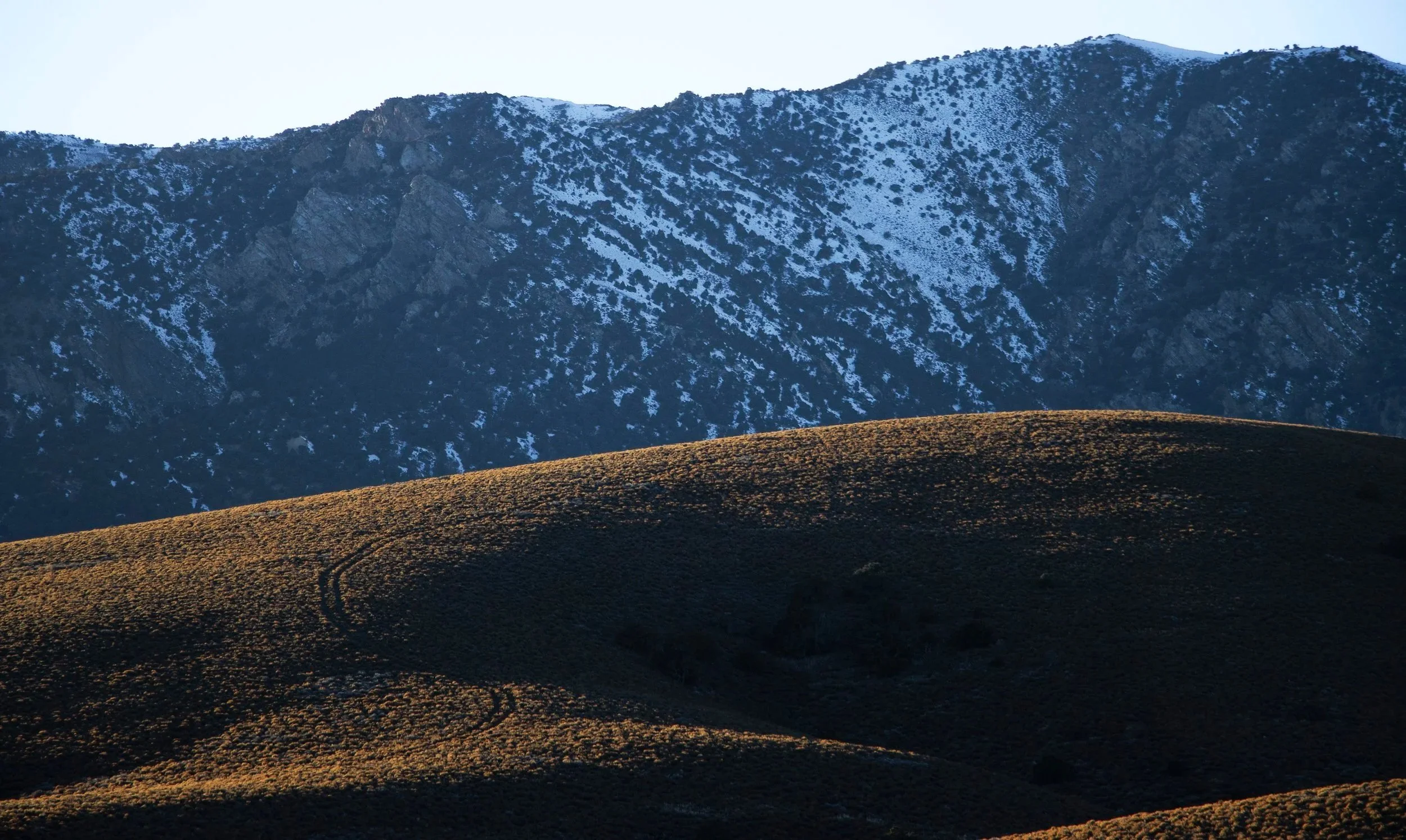
This project examines how the physical traces of industry, community, and ecology reveal the evolving relationship between human settlement and the landscape of central Nevada.
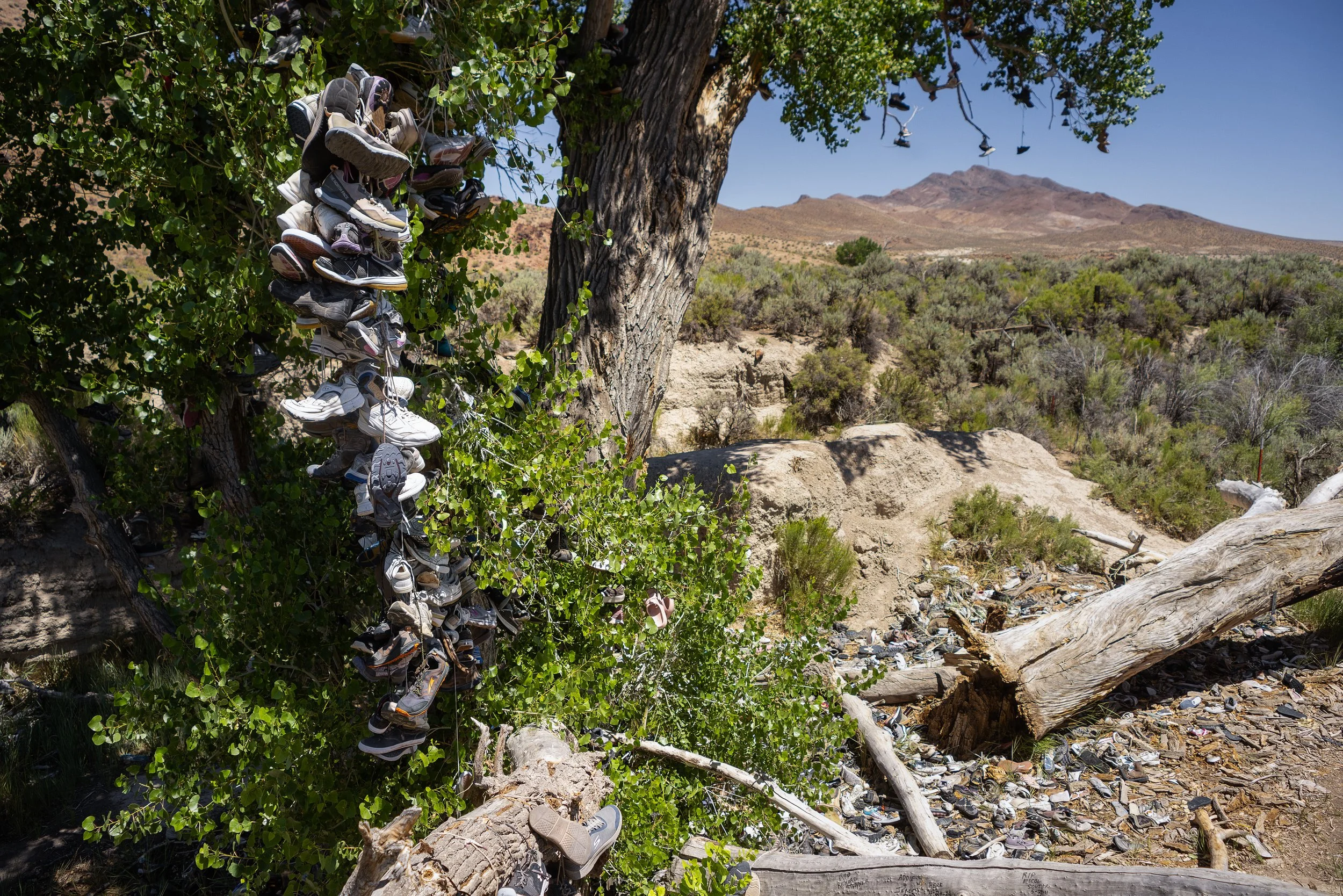
Hundreds of weatherworn shoes are suspended from an aged cottonwood just off U.S. Route 50 near Middlegate Station in Nevada. Route 50, “The Loneliest Road in America” traverses through the storied depths of the Silver State. In the center rests Kingston, Nevada.
At the base of the Toiyabe Mountain Range, Kingston emerged during the silver rush in 1864. Unlike the many other boomtowns in Nevada, Kingston has persisted and is currently home to roughly 200 residents.
In the time I spent in Kingston as a child, my parents' adoration for the outdoors shaped my concern for the areas’ condition. I look up at the sagebrush reclaimed mountainsides, evidence of mines, ATV tracks carving hunting access into remote canyons, or fence lines tackling the rugged topography of the mile high desert. Immediately I think of extraction, the landscape viewed for what could be taken from it.
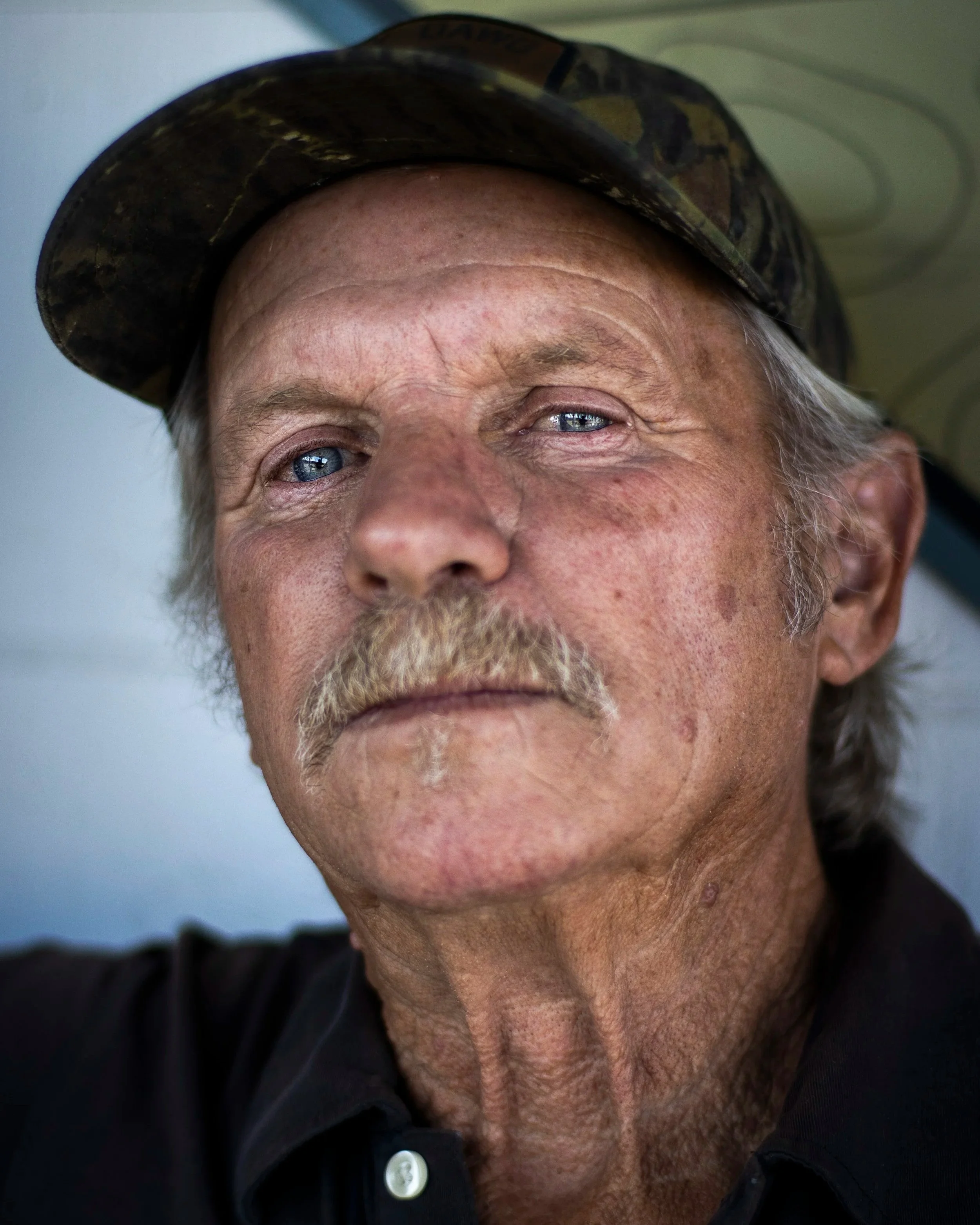
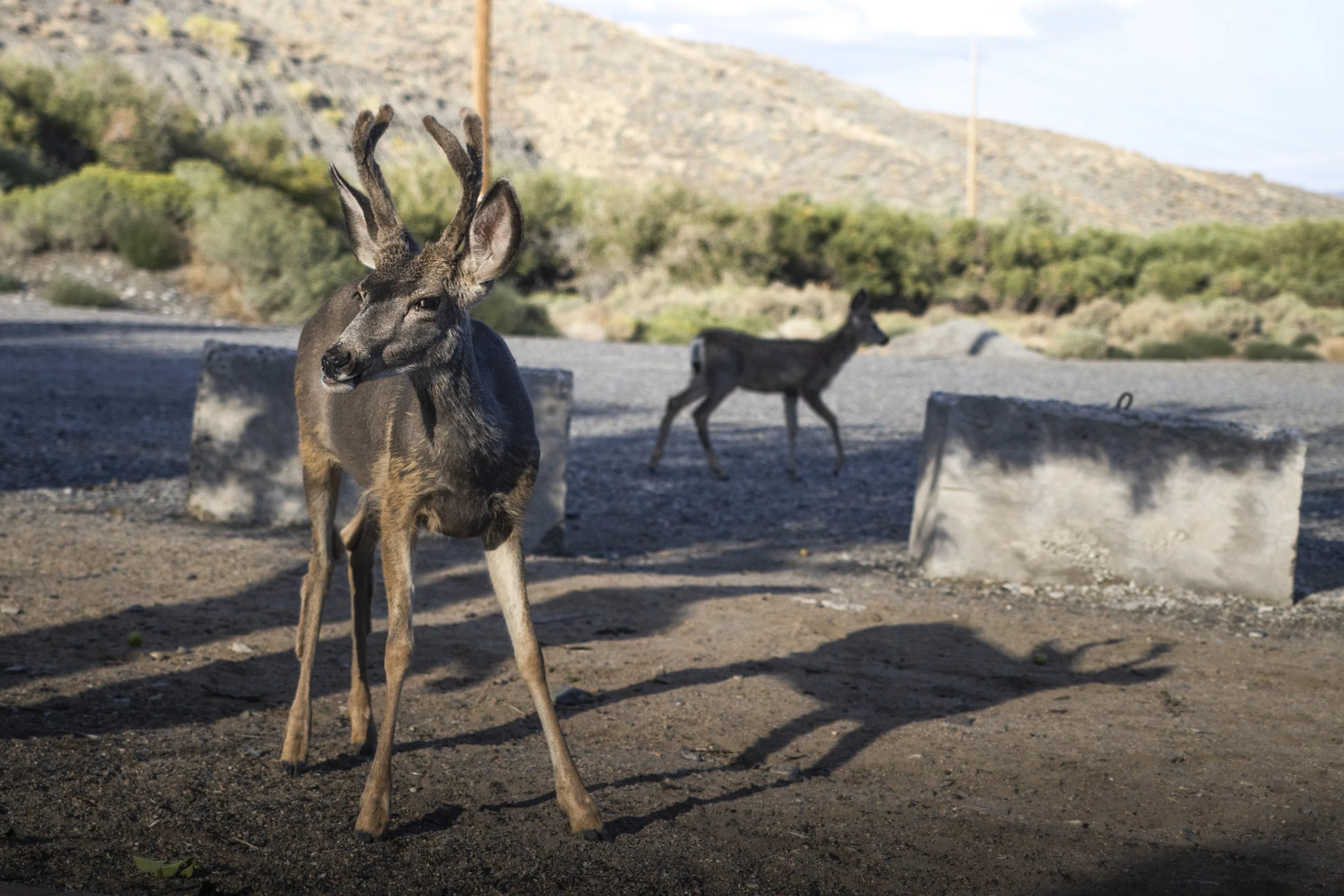
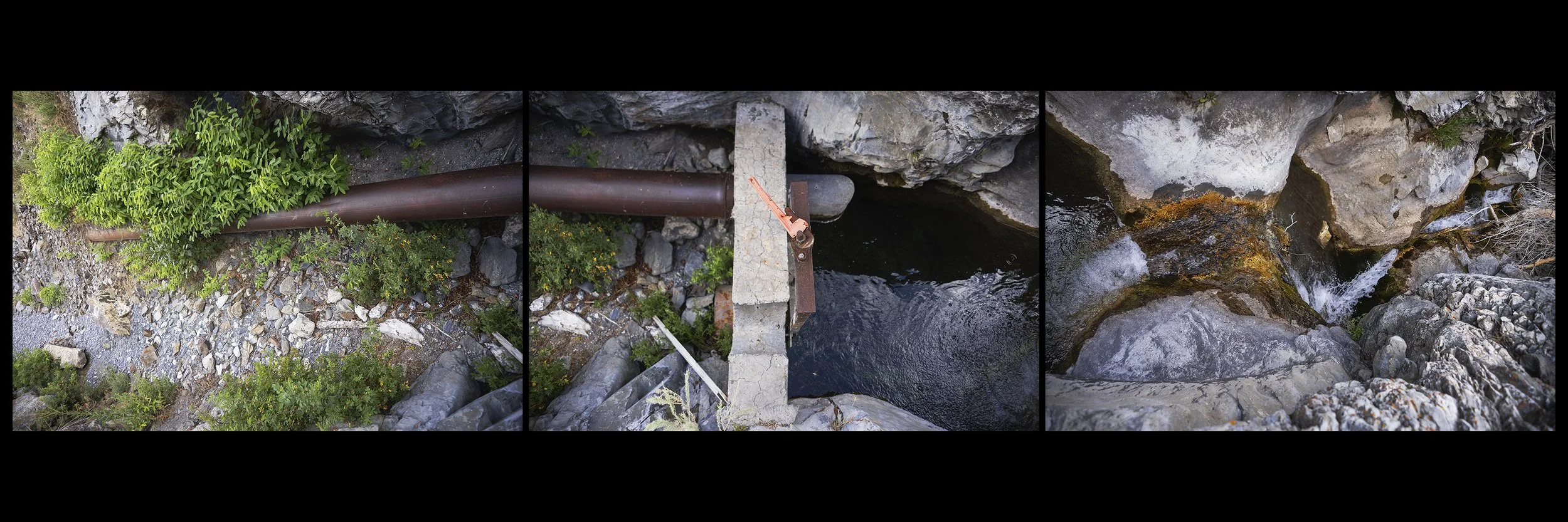


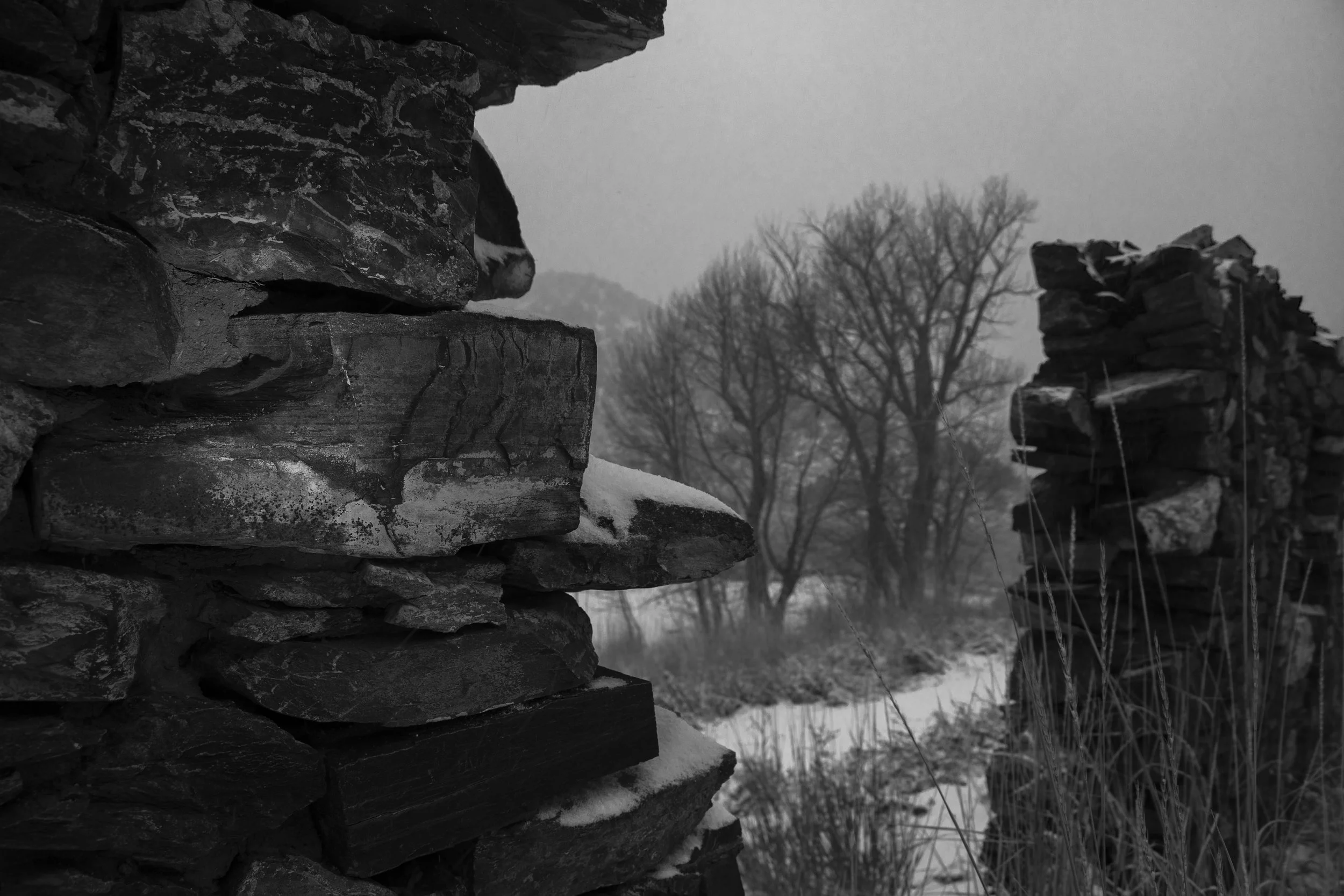
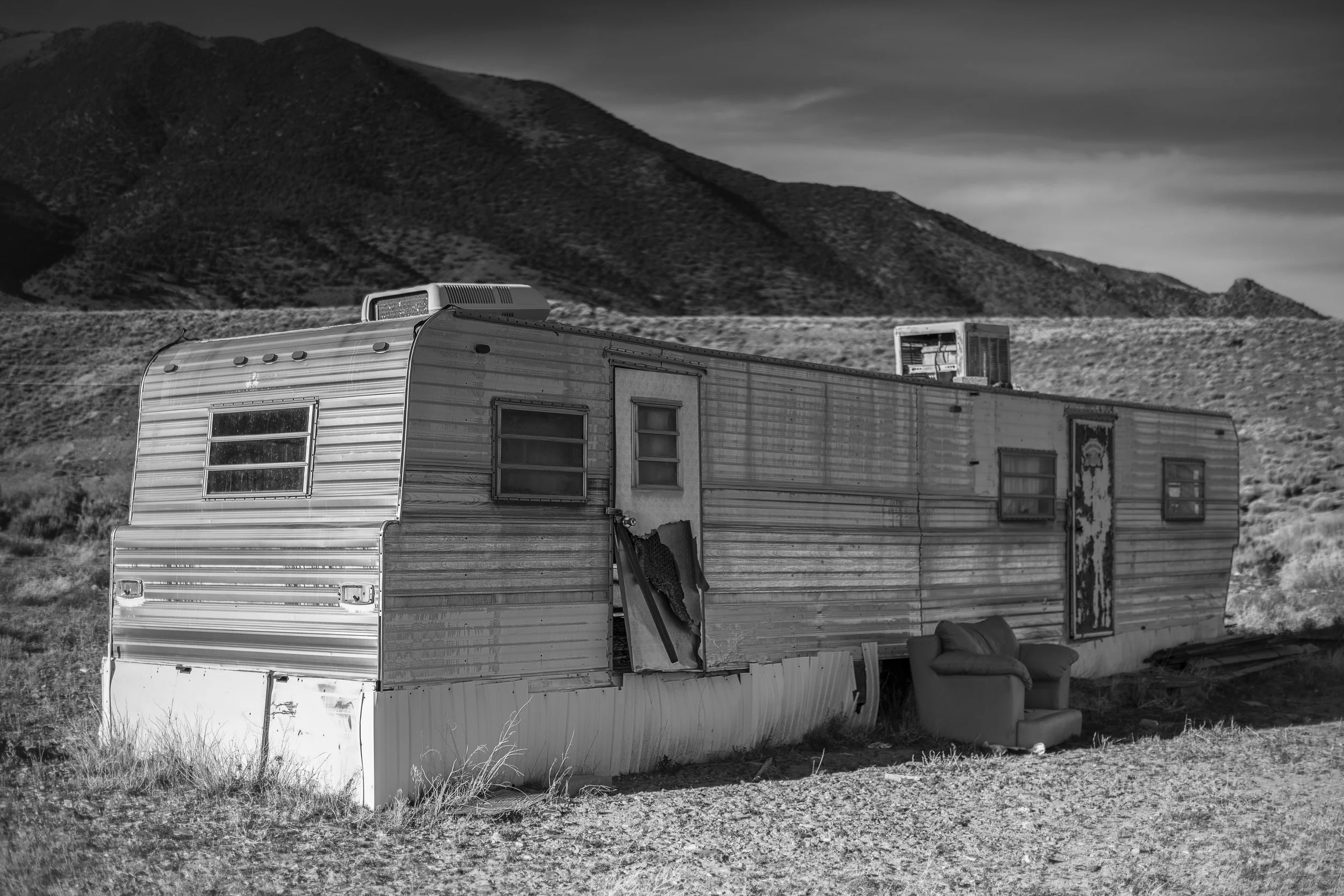

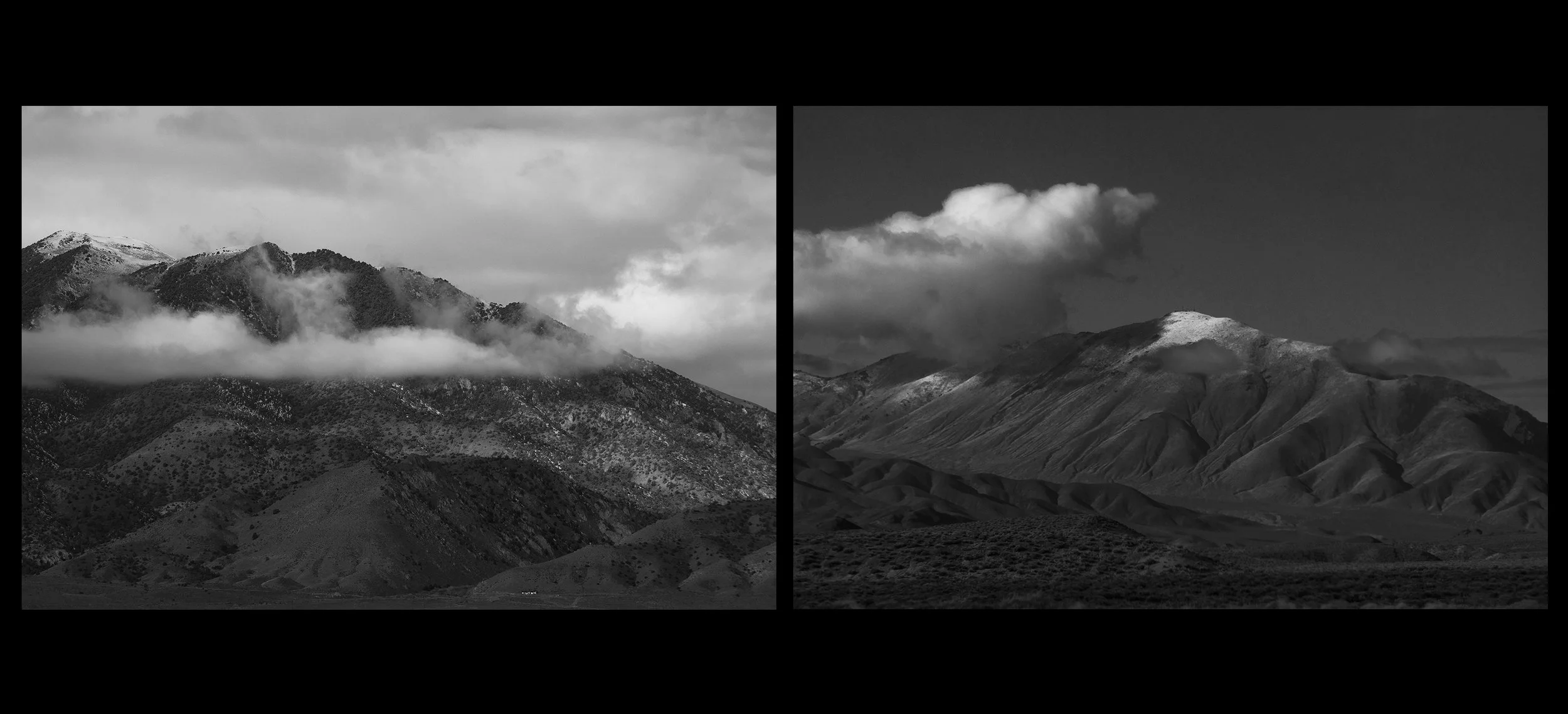
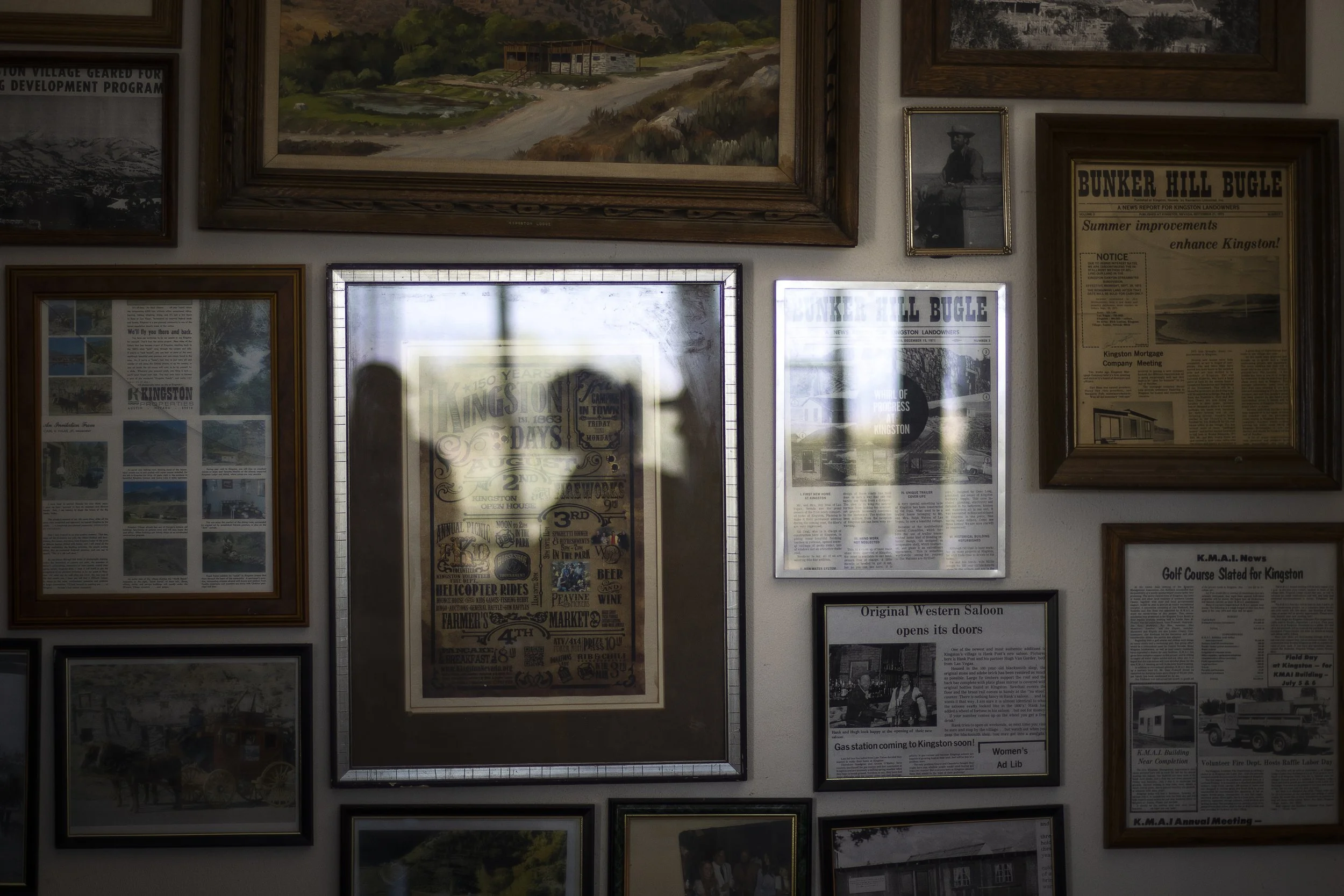
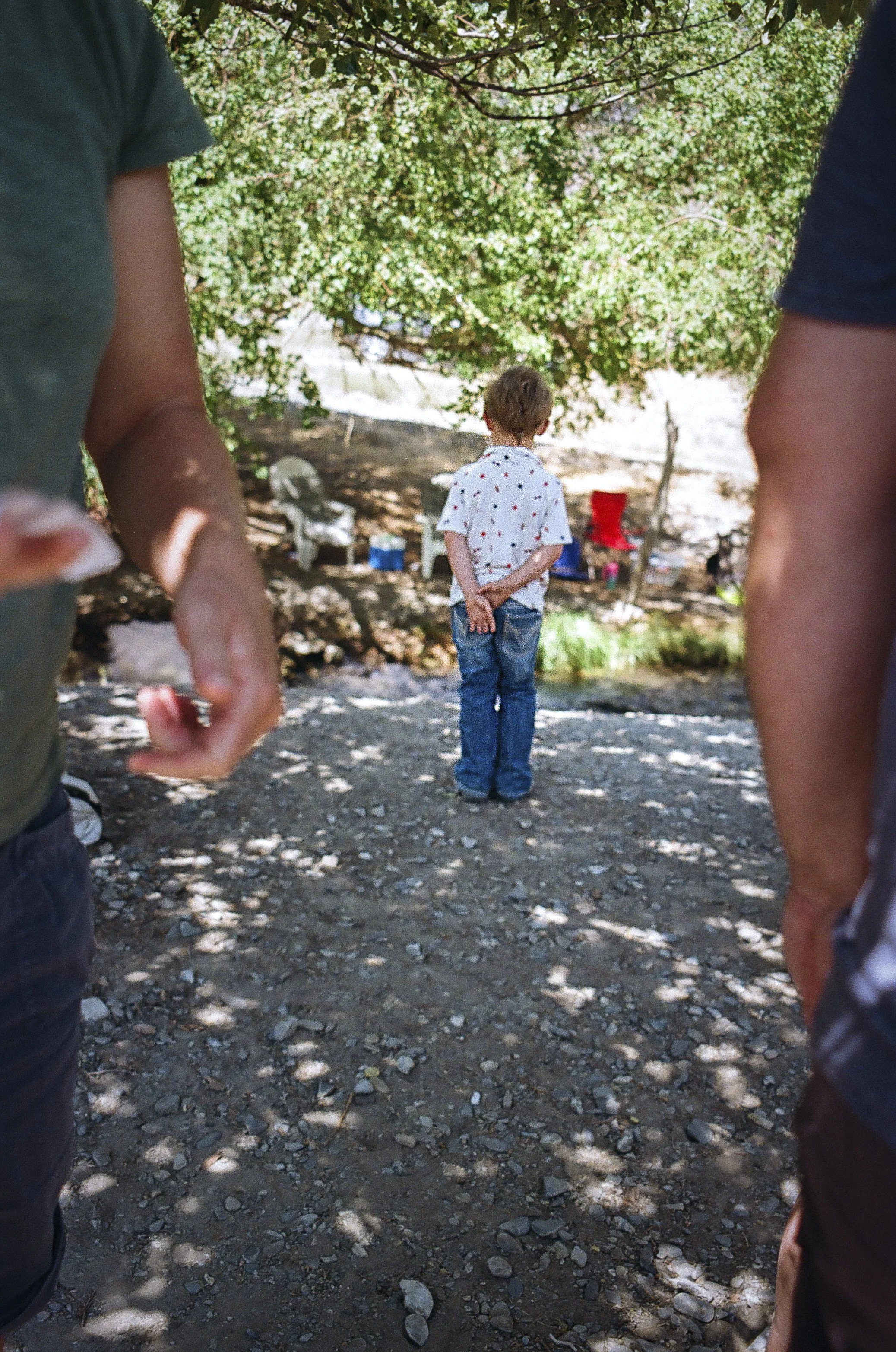
As I grow older, the relationship between a small mining town and the high desert becomes clearer to me. What wasn’t immediately apparent were the quieter exchanges between the community and the landscape: local fundraisers supporting the volunteer fire department, the network of creeks and reservoirs that sustain the living systems of the Great Basin, and the restoration of 32 miles of the Toiyabe Crest Trail. Acts of stewardship by people who care for the area are layered with the remnants of mining history. Kingston now exists as a town negotiating its own history.
I remember the fish at the dugout never biting my flies, only to rush toward the food dispensed from the coin operated vendor. I remember the deer resting on our back porch after a day spent hiking through the mountains on my first hunt.
Memory continues to shape my understanding of Kingston and the American West, revealing the quiet interdependencies layered beneath a landscape framed by its ruggedness.